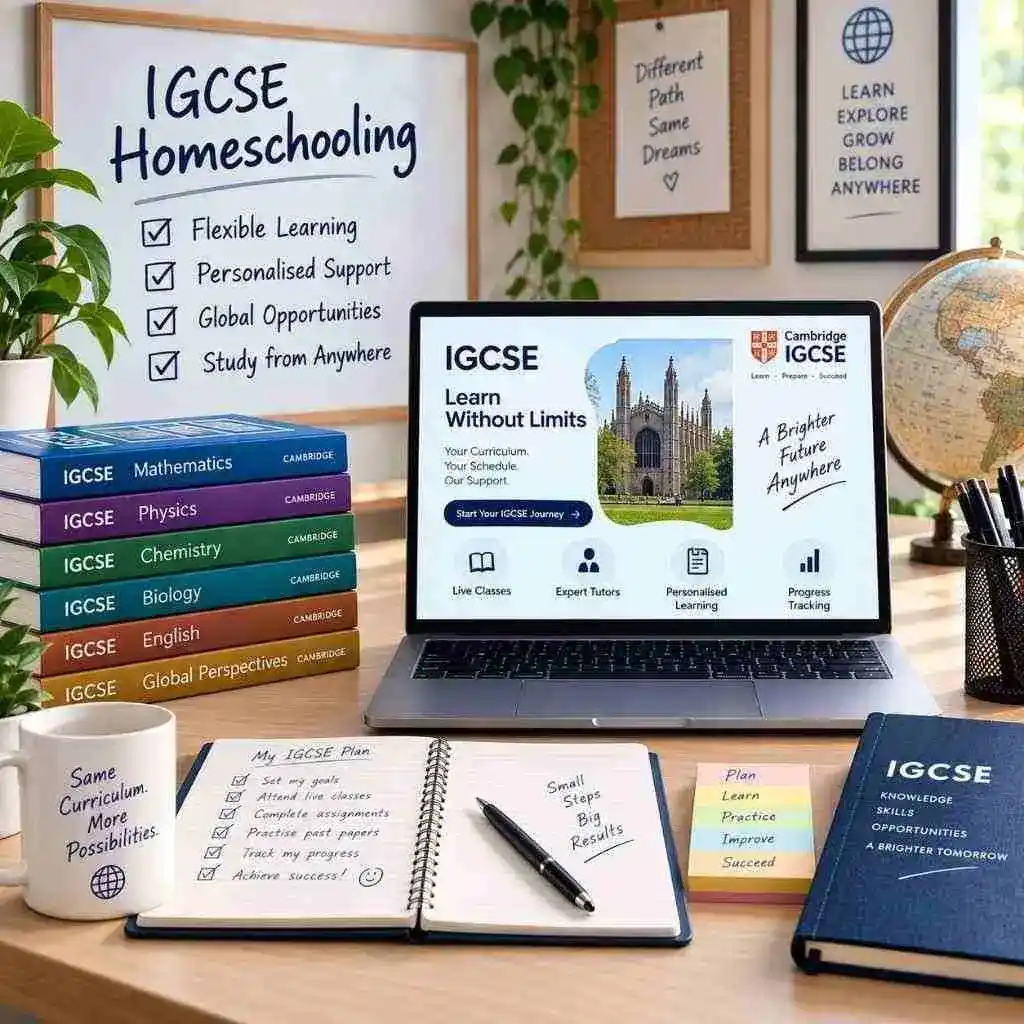

IGCSE Homeschooling: Private Candidate Guide and Coaching

Every year, families around the world choose to prepare for IGCSE outside a traditional school setting. For some, their local school does not offer the IGCSE curriculum. Others need greater flexibility because of travel, competitive sport, performing arts, professional training, family circumstances or a learning pace that does not fit a conventional classroom.
For many families, homeschooling offers the freedom to build an education around the student rather than fitting the student into a fixed school timetable.
It is also a recognised route to IGCSE examinations. Cambridge and Pearson Edexcel both provide routes for private candidates, although the exact registration process, available subjects and examination arrangements depend on the examination board, syllabus and local examination centre.
What families often struggle to find is a clear explanation of how IGCSE homeschooling actually works: who registers the student, where examinations are taken, how practical subjects are handled, how subjects should be selected and what happens after IGCSE.

4000+

STUDENTS

4.9/5

GOOGLE RATING

12+

YEARS EXPERIENCE

40,000+

Total hours Taught

IGCSE Homeschooling

Who homeschools for IGCSE and why

IGCSE is subject-based rather than year-based: students take the subjects they are ready for, in the examination series they are ready for.

01

Families outside the reach of an international school, or where the only Cambridge school has no places.

02

Students whose schedules cannot fit a school day — including competitive sport, performing arts or professional training.

03

Students who need a different pace, whether they are held back by a class average or need more time.

04

Families relocating who want a portable, internationally recognised qualification.

05

Students who left school and want a recognised qualification to re-enter formal education.

06

Students taking one subject their school does not offer, privately alongside their school subjects.

How private candidate registration actually works

The step families most often get wrong is finding the centre — and it has to happen first.

Step 01

Choose your board and subjects

Cambridge IGCSE and Edexcel International GCSE are open to private candidates. Edexcel’s January series adds an entry point; Cambridge offers a March series in India for selected syllabuses alongside June and November.

Step 02 | do this early

Find a centre that accepts private candidates

You cannot register directly with Cambridge or Pearson. Entries are made through an approved examination centre — generally the British Council or a registered school that accepts external candidates. Start six to nine months before your intended series, not three.

Step 03

Check subject-by-subject feasibility

Practical assessment, speaking, listening and coursework components determine what a centre can administer. Cambridge offers an alternative-to-practical written paper for several science syllabuses. Confirm every component with the centre before entering.

Step 04

Register by the entry deadline

Deadlines fall several months before the examinations, and late entry carries additional fees. Your centre handles the entry; you supply candidate details, syllabus codes and tier choices where relevant.

Step 05

Prepare around the examination series

Without a school timetable, each subject needs a clear schedule tied to the chosen series, syllabus code and assessment format.

Step 06

Sit the papers and receive results

You sit at your registered centre. Results are released on the board’s published dates, and certificates are distributed through the centre.

Choosing IGCSE subjects as a private candidate

Build a manageable subject combination

For many students, six to eight subjects can provide a solid academic foundation while leaving enough time to study each subject properly. However, the right number depends on the student’s goals, future qualification and available study time. Taking more subjects is not automatically better if it compromises grades and preparation quality.

Plan around future education

English and Mathematics are important foundation subjects for many academic pathways. Beyond these, subject choices should be linked to what the student intends to study later — whether that is A Levels, the IB Diploma Programme or another post-16 qualification.

Choose the appropriate tier

Where a subject offers different tiers, students should choose the level that fits their academic ability and future plans. Do not automatically select a tier without considering the syllabus requirements and progression pathway.

Check practical requirements before entering

Before registering for a science or any subject with practical, coursework, speaking or other assessment components, confirm that your examination centre can support the required arrangement.

Consider additional mathematics where appropriate

Students considering advanced Mathematics pathways may benefit from subjects such as Additional Mathematics, depending on their future academic plans. The right choice depends on whether the student is ultimately aiming for A Level Mathematics, IB Mathematics or another advanced mathematics qualification.

Consider spreading examinations across series

Private candidates may have greater flexibility in how they organise their examinations, depending on the board and available examination series. If the workload is too heavy, spreading subjects across different series can sometimes provide a more manageable preparation schedule. The important point is to plan this before the teaching programme begins.

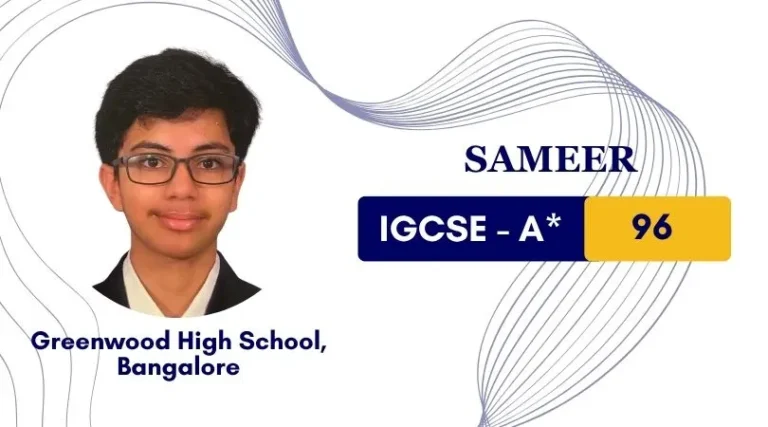
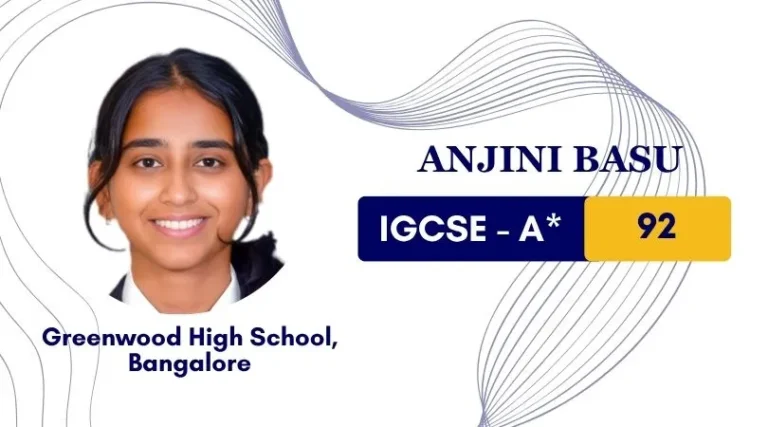
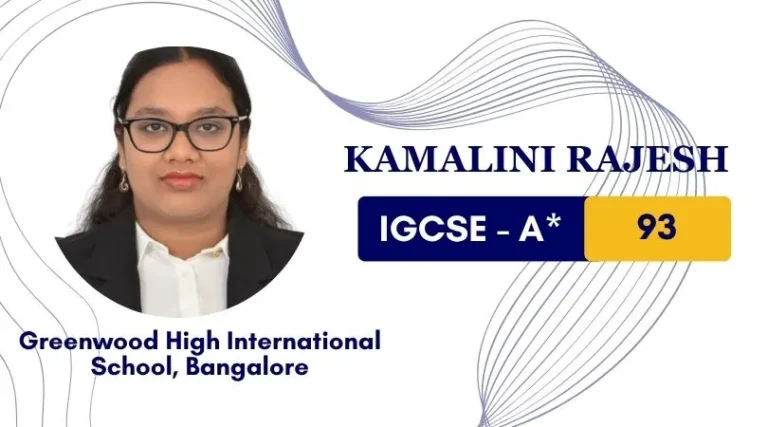
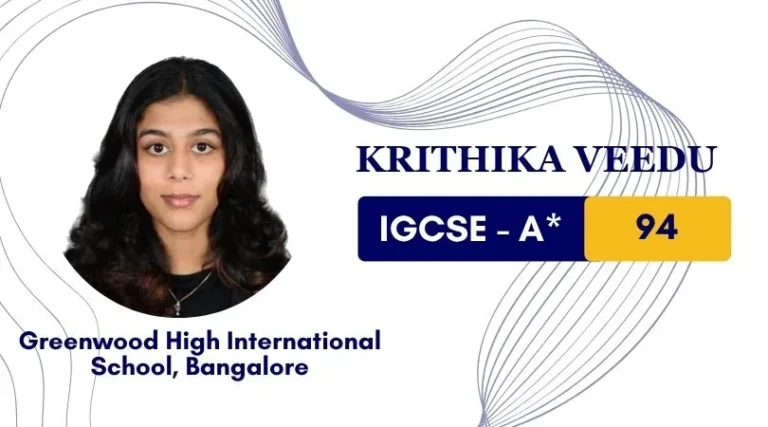
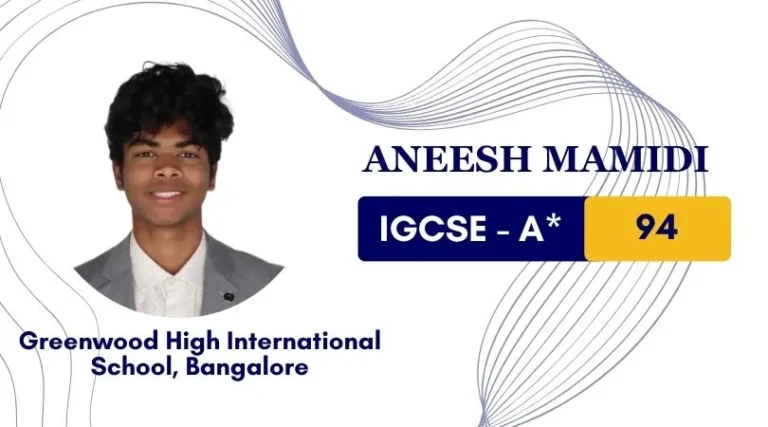
IGCSE world toppers at Quest For Success

Aditya Pawar

Aditya Pawar
Vidyashilp Academy

Extended Math (0580)
Add Math (0606)

Vaibhav Maheshwari

Vaibhav Maheshwari
Vidyashilp Academy

Extended Math (0580)
Add Math (0606)

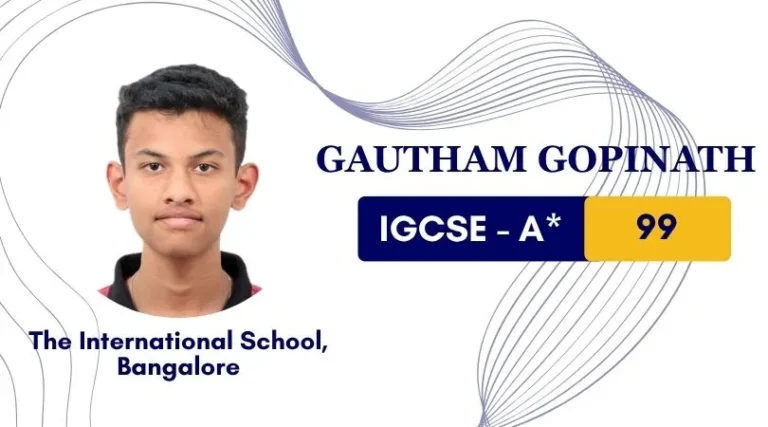
Gautham Gopinath TISB

Gautham Gopinath
TISB

Add Math (0606)
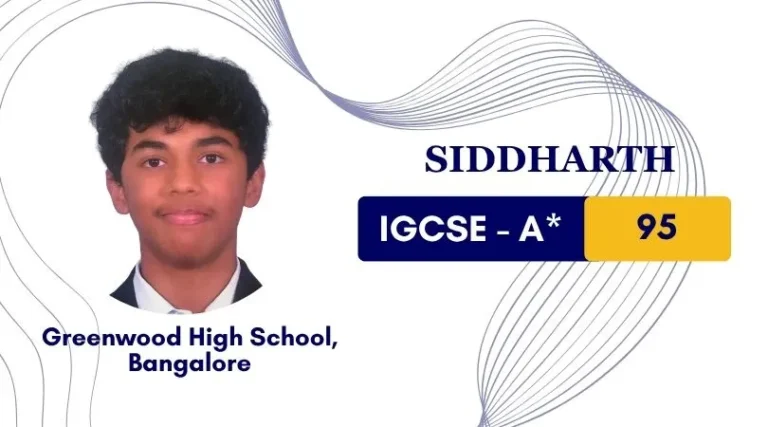
Top Results From Our IGCSE Classes Online

Where you sit the exams

Private candidates enter and sit examinations through an approved centre. In India, this may be a British Council venue, an approved examination centre, or a Cambridge or Pearson school that accepts external candidates.
Availability varies by city, series and subject. Centres also set their own fees and deadlines, and not every school accepts private candidates. Always confirm the exact syllabus code and every assessment component before paying.
Use the official tools beside rather than relying on a static centre list.

Do universities accept homeschooled IGCSE?

Yes.

IGCSE is a board-certified qualification, and a certificate issued to a private candidate is identical to one issued to a school candidate, the certificate does not record how you studied.

What families should plan for:

01

A Levels or the IB after IGCSE. IGCSE alone is a Grade 10 equivalent. Universities want a Grade 12 qualification, so the plan needs a next step — either A Levels, which can also be taken privately, or the IB, which cannot. See the note below.

02

Indian university admission requires equivalence recognition, which applies at the Grade 12 stage rather than at IGCSE. Check the Association of Indian Universities guidance for the qualification you finish with.

03

References and predicted grades. For UK applications, a private candidate needs someone credible to supply a reference and predicted grades. Plan this early; it is a real constraint and it surprises families in the autumn of the application year.

How QFS teaches IGCSE private candidates

Private candidates do not need supplementary tutoring. They need the whole course taught, with the structure a school would otherwise provide.

01

Personalised Learning & Expert Tutor Support

Get personalised IGCSE homeschooling through flexible group classes or one-on-one online classes, led by specialised tutors with deep subject expertise. Each student receives a customised learning plan based on their academic needs and goals.

02

Complete Curriculum & Learning Resources

Get complete Edexcel IGCSE syllabus coverage with targeted revision, structured study material aligned with the curriculum, and comprehensive academic support including recognised school collaborations and exam registrations.

03

Practice, Tests & AI-Powered Mocks

Build confidence through sectional tests, 1000+ topic-wise questions and full-length Edexcel mock examinations on our AI-powered platform, with regular practice designed to strengthen understanding and retention.

04

Performance Analysis, Feedback & Exam Strategy

Receive in-depth test analysis, personalised feedback and exam strategy sessions to identify weak areas, improve performance and prepare effectively for IGCSE examinations. Dedicated academic mentoring supports planning and continuous progress tracking.

05

Ongoing Support, Parent Updates & Proven Results

Benefit from homework support, doubt-clearing sessions and weekly homework and performance reports shared with parents. With comprehensive progress tracking and expert guidance, we are trusted by 4,000+ students worldwide for IGCSE homeschooling in India and abroad.

What Separates a Good Ivy League Application From a Great One?

Our counsellors help you shape your profile, strengthen your essays, and present your achievements with a clear, authentic story, not a checklist of activities.

Student testimonial

frequently asked questions

Yes. Cambridge and Pearson Edexcel offer private-candidate routes for eligible subjects, although the exact arrangements depend on the syllabus, examination board and examination centre. Students normally register through an approved examination centre rather than directly with the examination board.
First, choose your examination board and subjects. Then identify an approved examination centre that accepts private candidates for those subjects and your intended examination series. The centre will guide you through its registration and entry process. Start early because centre availability can be a bigger constraint than the examination board’s general availability.
Board entry fees per subject plus the centre’s own administrative fee, which varies. Get a written fee schedule from your chosen centre before entering.
June is the main series. November is available with Cambridge, a March series exists in India for selected Cambridge syllabuses, and Edexcel offers January. Private candidates can and often should spread subjects across series.
Most private candidates take the alternative-to-practical written paper where the syllabus offers one. Confirm with your centre before entering, because the arrangement is set by what the centre can administer.
Six to eight for most students, spread across series if the load is heavy.
No. The certificate is identical and does not indicate how you prepared.
Only by joining an IB World School for Grades 11 and 12 — the IB Diploma cannot be taken privately. A Levels can, which is the more common route for homeschooling families. See A Level homeschooling.
Yes, for UK applications. A private candidate needs a credible referee, so plan this in advance rather than in October of the application year.
The whole syllabus, end to end, for private candidates. That is the difference between our private candidate programme and standard subject tutoring.
Bring us the entry deadline and the series. We will tell you honestly whether the subjects are deliverable in the time, and which ones should be deferred to the next series.
Yes, and many families do — often the subjects a school does not offer, or the ones needing the most support.